


A professional engineer spent years describing exactly what software should do while someone else did the building. That gap gnawed at him. So he decided to close it himself.
The Gap That Wouldn’t Go Away
Hendrik Jahns has always understood how software works.
As a professional engineer, his daily work involves discussing equipment functionality with vendors, defining software requirements, and mapping out how systems need to behave. He knows precisely what a program should do and more importantly, why it needs to do it.
But there was always one thing missing.
“I always wished I could build the solutions myself instead of only describing them,” Hendrik says.
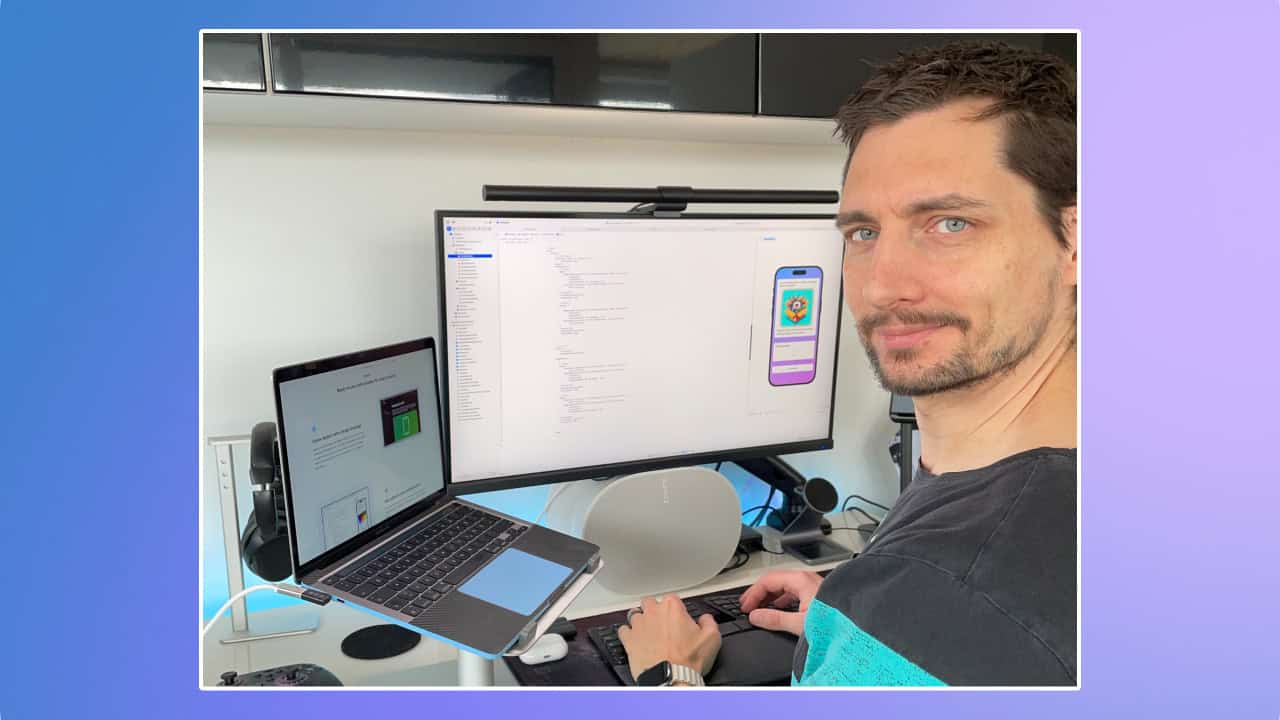
For years, that wish stayed in the background. He was good at his job. He understood systems deeply. And yet, every time a developer took his specifications and translated them into actual code, something quietly nagged at him. He was one step removed from the thing he wanted to create.
That feeling of knowing what you want to build but not knowing how is one a lot of people carry around for a long time. Hendrik decided not to carry it anymore.
The Search for a Real Starting Point
When Hendrik finally decided to learn iOS development, he ran into the same wall that stops most beginners cold: there’s no shortage of tutorials online, but very few actually teach you how to think like a developer.
“There are many tutorials online that show how to complete a specific task,” he explains, “but very few provide a structured learning path from absolute beginner to building a full app.”
That uncertainty made the first step feel impossibly steep. He could find tutorials that showed him how to add a button or display text on a screen. But connecting those pieces into something real, something he could actually ship, felt out of reach, until he found CodeWithChris.
What stood out wasn’t just the content, but the teaching style. Chris’s approach felt authentic rather than performative, and one particular technique clicked immediately for Hendrik: Chris would often start with a complex solution to a problem, then gradually simplify the code while explaining exactly why the shorter version still worked.
“That approach helped me truly understand what was happening instead of just copying code,” Hendrik says.
After finishing the free “How to Make an App” series on YouTube, the decision to become a paid member was easy. He already knew Chris’s style matched the way he learned best.
The Breakthrough That Changed Everything
Every developer has a moment when something clicks — when abstract concepts suddenly snap into focus and you realize you’re not just following instructions anymore. You’re actually thinking in code.
For Hendrik, that moment had a name: SwiftData.
Before discovering this feature in Apple’s development toolkit, he had wrestled with the messy business of managing data across an app, tracking what changed, making sure information was saved correctly, keeping everything in sync. It was frustrating enough that he built several apps he never released, because the underlying structure never felt solid enough to share with the world.
Then SwiftData arrived and changed the equation entirely.
“It suddenly became much easier to manage and store data across the app without constantly worrying about saving changes or keeping track of variable states,” he says. “Everything happens automatically in the background.”
That unlock gave him the confidence to stop building for himself and start building for others.
Four Apps, One Mission
Hendrik’s philosophy as a developer is refreshingly clear: build simple apps where each one solves exactly one problem and keep everything on the user’s device, without unnecessary cloud dependencies.
That focus has produced four apps now live on the App Store.
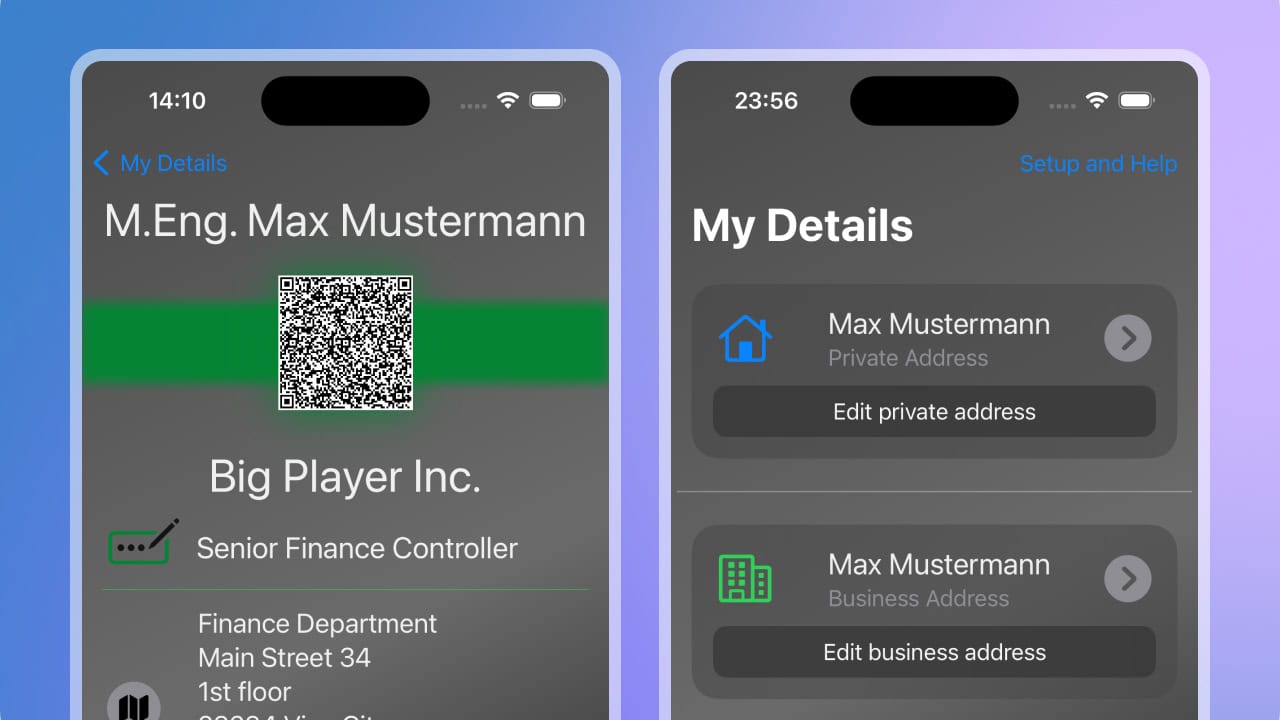
Show My Contact Details – lets users define their contact information once, then choose exactly which pieces to display or include in a QR code depending on the situation. Checking into a hotel? Show your full name and address. Meeting a new colleague? Just your phone number. One toggle, no editing, no friction.
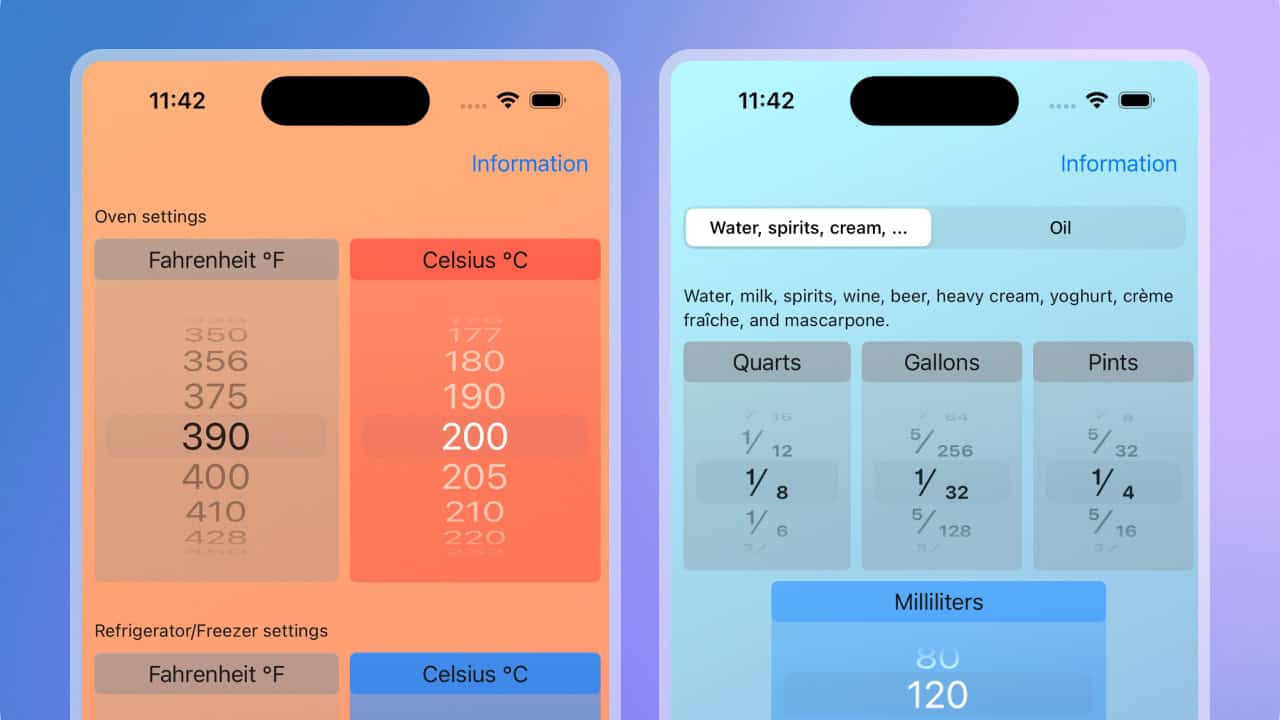
2Cups 480ml – is a compact conversion tool for cooking and baking, translating recipe measurements between US and European systems liquids, solids, and oven temperatures included. Small problem, elegant solution.
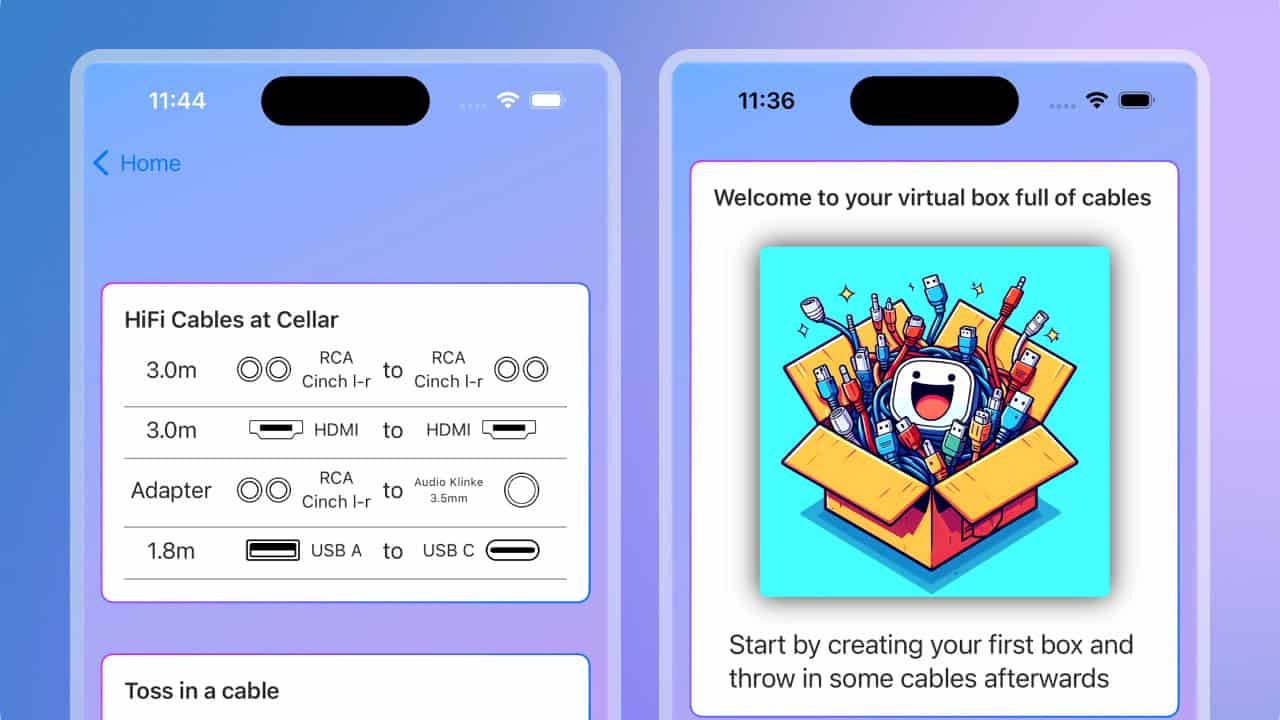
Cable Box – Hendrik’s personal favorite solves a problem almost everyone with a junk drawer will recognize. It lets users catalog their old cables digitally, with photos and descriptions, so finding the right one no longer means emptying a box and guessing.
Subscriptions and Budget – helps users track recurring payments and set reminders for upcoming charges or cancellation deadlines because subscription creep is real, and it’s expensive.
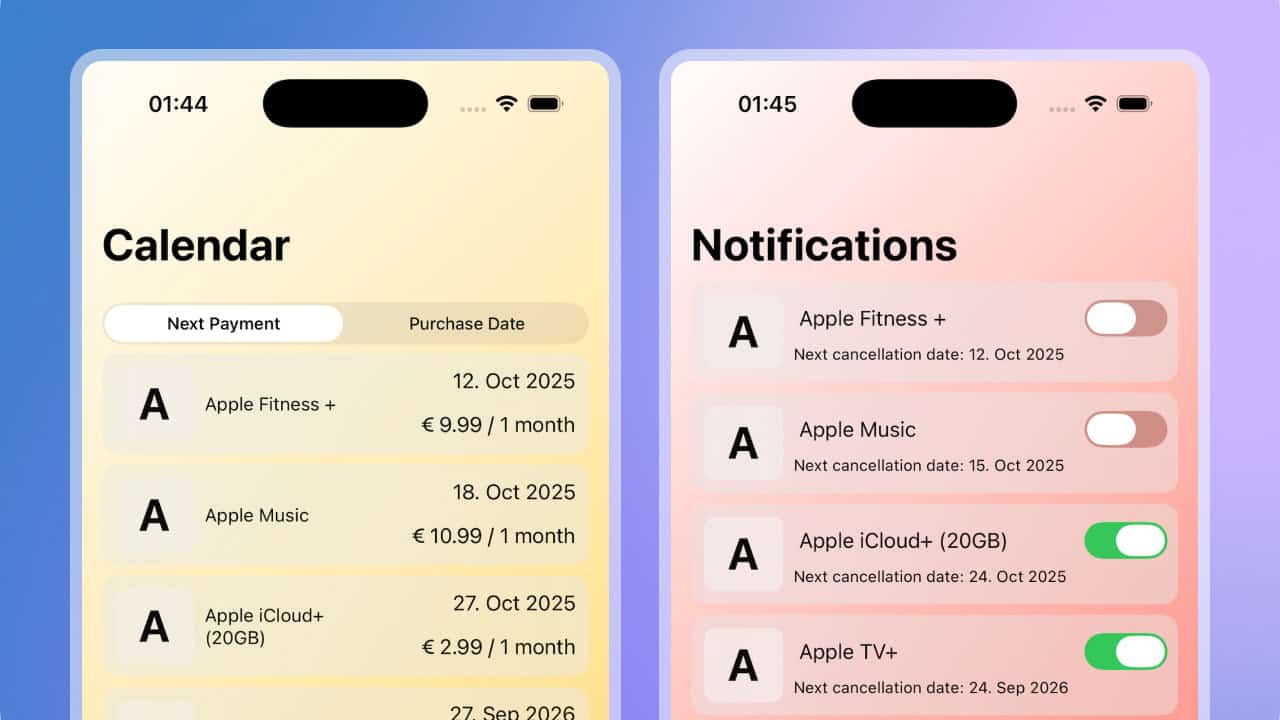
Each app is lean, offline-first, and built around a single clear purpose. That’s not an accident. It’s a design philosophy born directly from Hendrik’s own frustrations as a user.
The Moment It Became Real
Hendrik knew his apps were useful. But there’s a difference between knowing something and seeing a stranger confirm it in real time.
That moment came during a hotel checkout.
He pulled out his phone and opened “Show My Contact Details” to display his address for the receptionist, who needed it for the invoice. She noticed immediately how easy it was to read the information directly from the screen. They started talking about the app: what it did, how it worked, why he built it.
By the end of the conversation, she had installed it on her own phone.
“Seeing a complete stranger recognize the usefulness of something I built was an unforgettable moment,” Hendrik says. “That felt amazing.”
It’s the kind of validation no beta tester or family member can fully provide. A stranger, with no obligation to be kind, found genuine value in something he made. It’s a moment most developers quietly wait for.
A Better Engineer, and a Developer Too
Something Hendrik didn’t anticipate was that learning to code made him better at the job he already had.
Because he now understands the logic behind software systems more deeply, his conversations with developers at work have fundamentally changed. He speaks their language. He understands the constraints they’re working within. He can describe requirements in ways that make their work easier because he’s experienced, firsthand, what it actually takes to build something.
Today, Hendrik introduces himself as an engineer, and sometimes adds one more title. He’s also a developer with four apps on the App Store.
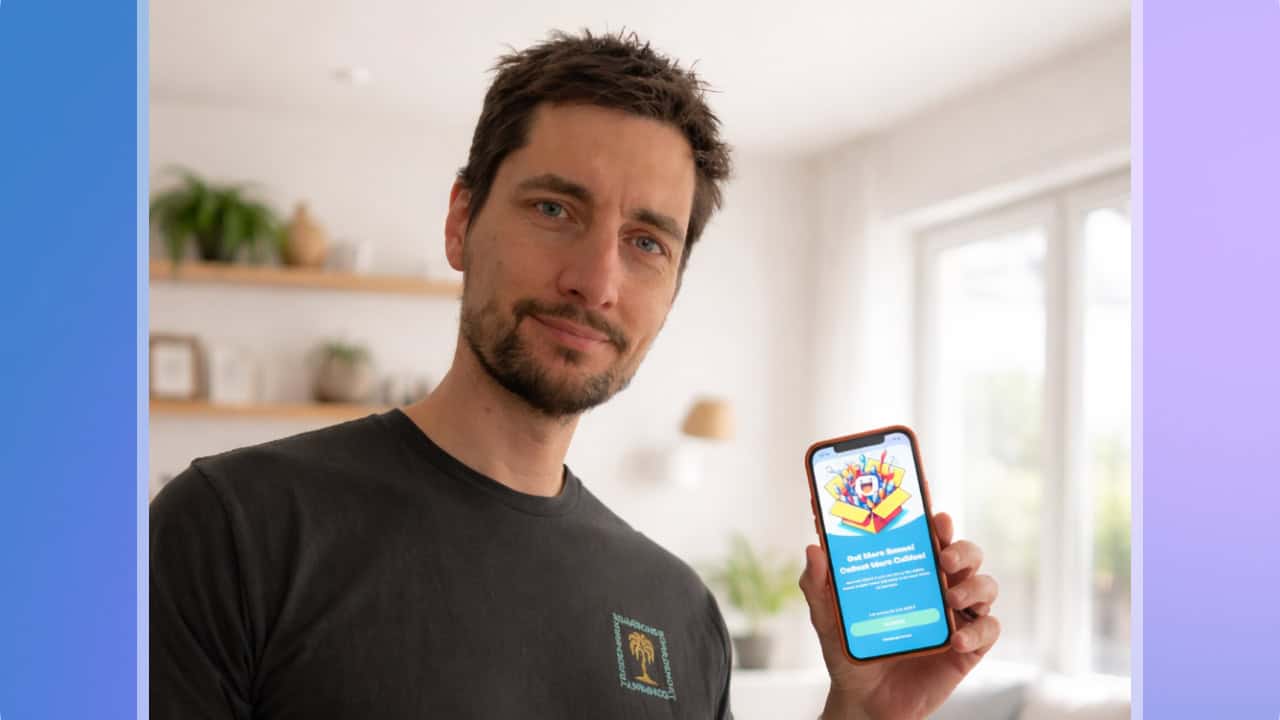
His goal going forward is steady rather than frantic: two or three new apps per year, built in his free time, each one solving a problem cleanly.
For anyone standing where he stood — curious, a little uncertain, looking for a place to actually begin — his advice is simple.
“Just start. Take small steps. Don’t begin with the extremely complex app you dream of building. Start with something simple, then gradually add features.”
And when you get stuck? Step away. Work on something else for a while. Come back fresh.
“After completing that ‘side quest,'” he says, “you often come back with a fresh perspective and suddenly see the solution.”
Most importantly, he says: take your time. There’s no rush. The skills compound quietly, and one day you’ll look at code you wrote and realize, without quite knowing when it happened, that you actually understand it.
That’s when you know you’re a developer.
Start your journey today and see the apps you can build, just like Hendrik!