


The App Store approval email arrived like any other notification, but for Michael Alls, it represented something far more significant. His app, Math Dash, a math practice app he’d built from scratch for his three children, was officially live. Within hours, his kids were downloading it to their own devices, no longer needing his developer-enabled iPad. The full-time developer had just created his own app, and his family was his first delighted user base.
Middle School Dreams and Math Love
Michael’s coding journey began in an unexpected place: middle school, learning alongside his father. Back then, his dreams were straightforward—become the first person in his family to graduate college, participate in youth sports, and embrace the limitless possibilities of young ambition. Math was his favorite subject, a passion he’d carry forward into adulthood and eventually share with his own children.
Years later, Michael had achieved his goals and more. As a full-time developer building microservices and web apps, he’d established himself professionally. But fatherhood introduced a new kind of challenge, one that would reignite his creative spark in an entirely different direction.
“I Can Build Something for This”
Watching his three children use their iPads, Michael noticed something: they needed better tools for math practice, something engaging yet educational. As someone who built digital solutions for a living, a thought emerged: I can build something for this.
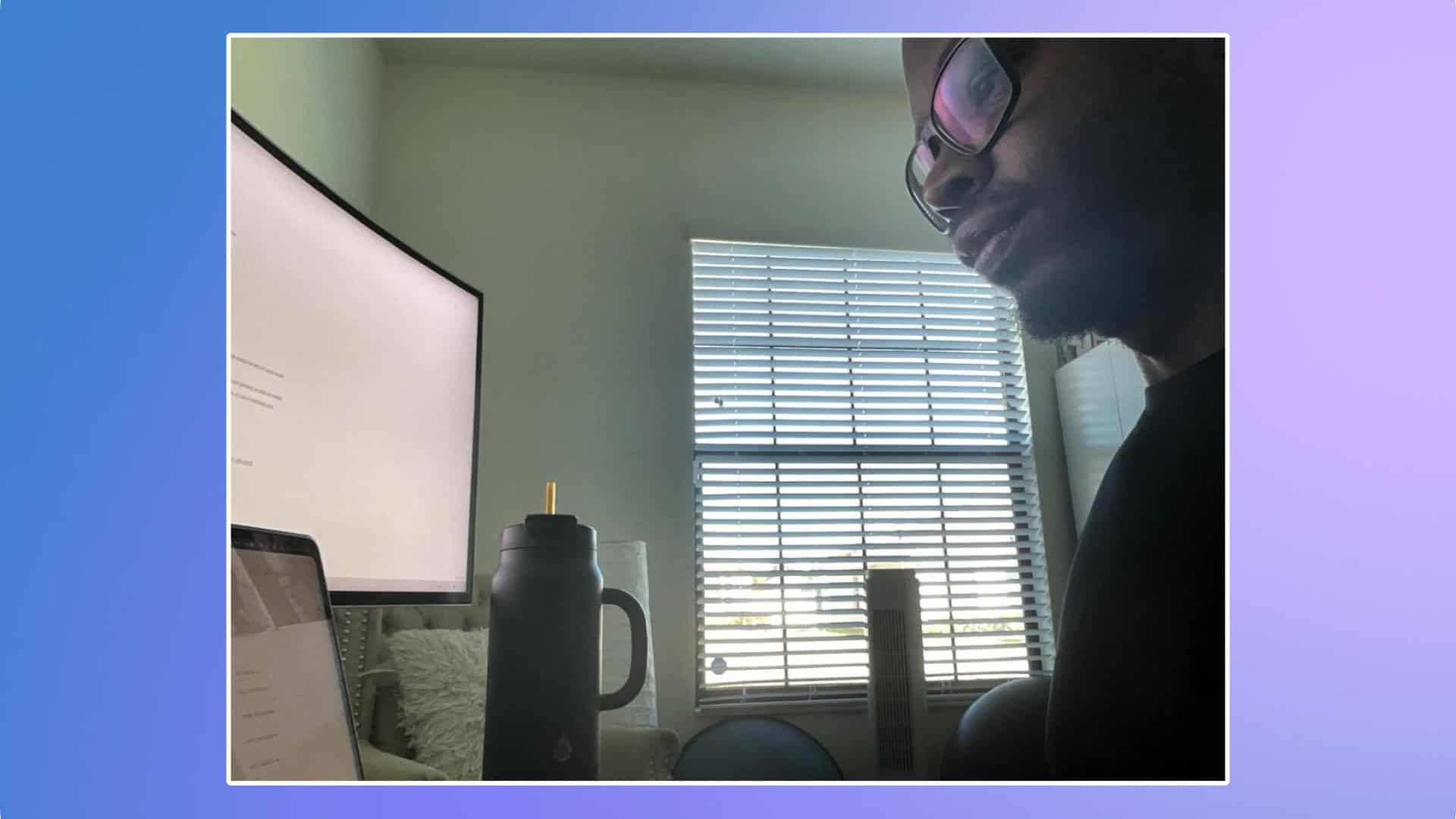
“I wanted to build an app that my kids could use on their iPads to be able to practice math,” Michael recalls. “Seeing as I’m a builder, my thought was I can build something for this. I was excited and could not wait to see my children learning with something I built myself.”
But there was a catch. Michael built for others every day—translating requirements handed to him into functional code. iOS development? That was a black box, a world he admired but assumed would be prohibitively time-consuming to learn. And with three kids and a demanding full-time job, time was his scarcest resource.
The Developer’s Dilemma
Standing at the threshold of learning iOS development, Michael faced the classic developer’s question: Do I really need a course for this? He already knew how to code. He already shipped products. Surely he could figure out iOS on his own, right?
“Before taking my first lesson with CWC, what almost stopped me from doing so was thinking about the time it would take and if I really needed a course seeing as I work as a full-time developer and also a father of 3,” he admits.
But his app idea wouldn’t let go. His kids deserved something better, something built with love by their dad. That vision became stronger than his doubts.
Michael’s search for the right learning resource led him to CodeWithChris through a video titled “How to Make an App in 8 Days.” Something about Chris’s teaching style immediately clicked. “I just loved his style of explaining things,” Michael shares. “It made the process of learning so much easier from other tutorials I had seen. Especially the ones from Apple themselves.”
For someone who already understood programming concepts, finding instruction that was clear without being condescending made all the difference. Michael enrolled and began carving out time between his full-time work and family responsibilities to learn iOS development from the ground up.
War Card Game
Every developer remembers their lightbulb moment—that instant when abstract concepts suddenly crystallize into understanding. For Michael, it came during the War Card Game module.
“Building iOS apps had been a black box to me, something I wanted to learn but thought it would be a time consuming process,” he explains. “But the ‘War Card Game’ module blew the misconception out of the water. It made me think I can be an iOS developer. I can build an app just like I build Microservices and web apps for work.”
That realization was transformative. iOS development wasn’t as foreign or intimidating as he’d imagined. It was simply another language, another framework; learnable, manageable, achievable.
When Confidence Becomes a Problem
But learning rarely follows a straight line. Flush with newfound confidence, Michael hit a different kind of obstacle: thinking he knew enough to go it alone.
“Honestly the most frustrating moment of the learning journey was thinking I knew enough to go off and build the app idea I had,” he admits. “There was even a point where I contacted help to turn off the recurring subscription because I thought I would not need the service anymore.”
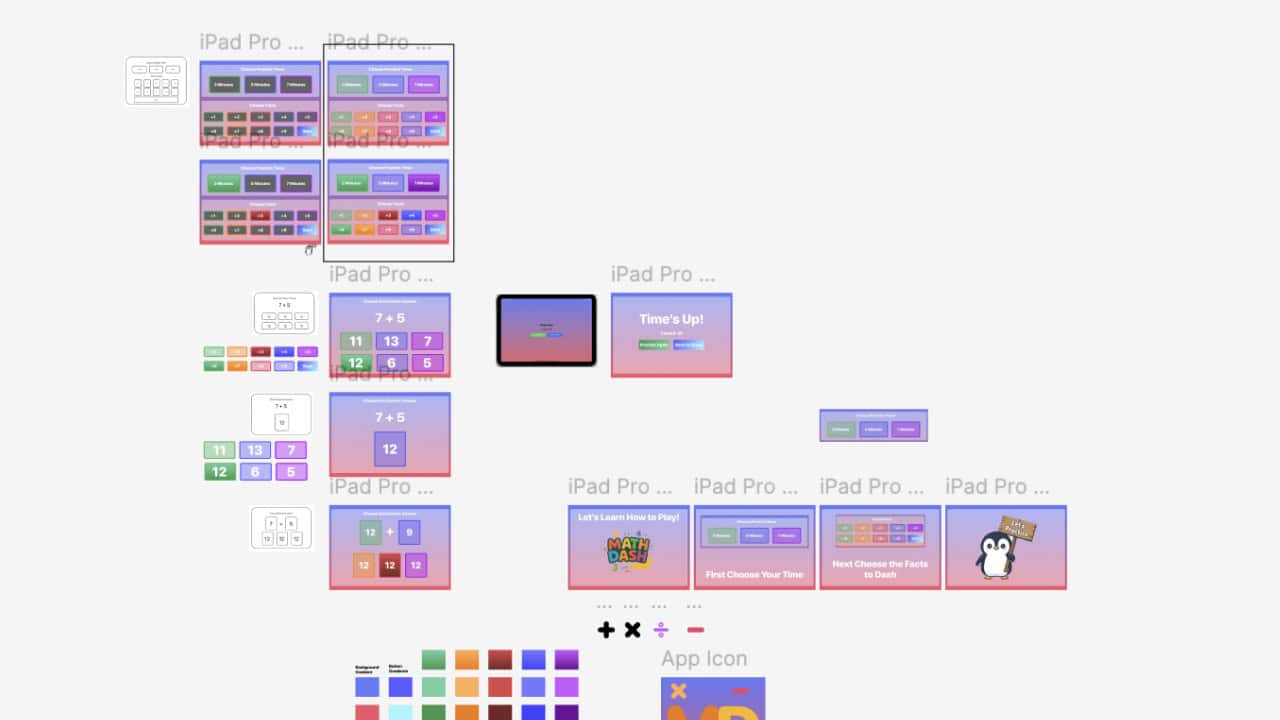
Reality quickly intervened. Building a real app revealed gaps in his knowledge that he hadn’t anticipated. When he turned to AI tools for answers, he found himself drowning in more questions rather than solutions.
“However, I would run into something that I did not understand and asking AI would only lead to more questions,” Michael says. The experience taught him a crucial lesson: structured learning exists for a reason. He reactivated his subscription and committed to completing the entire “Launch Your First App” course, recognizing that thoroughness beats shortcuts every time.
The Database section marked another milestone. “After the Database section… was when I thought I could read and understand iOS code,” Michael recalls. But the real validation came later: “It was when my app was approved to be published when I said I am an iOS developer.”
Testing With the Toughest Critics
While other developers stress about public launches, Michael had his critics close to home, and they weren’t shy about sharing feedback.
“The first users of my app were my kids,” he says. “They were right here along with me as I developed every feature. Testing it out and letting me know if they liked it or not.”

This real-time feedback loop shaped Math Dash into exactly what it needed to be: simple, challenging, and genuinely fun to use. When his children’s honest reactions guided feature decisions, the app evolved naturally into something that worked for its intended audience.
Math Dash – Math Practice App emerged as exactly what Michael envisioned: a straightforward tool that gives kids and adults an engaging way to practice math skills. No overwhelming complexity, no confusing interfaces, just effective learning wrapped in an intuitive design.
“Its simplicity is what I’m most proud of,” Michael explains. “It challenges the users to help them learn but it is not overly complicated to fire and use.”
But beyond the technical achievement, Math Dash represented something deeper. When his kids finally downloaded the app to their own devices, no longer needing his developer iPad, the moment crystallized everything the journey had meant.
“So to finally download it to their devices so they could play it on there and not my iPad that I had to enable developer mode on was exciting,” he reflects. “It meant the world to me because I built it for them.”
Building for Yourself, Not Just Others
Publishing Math Dash opened doors Michael hadn’t anticipated. While he doesn’t introduce himself differently now, something fundamental has shifted.

“I do feel pride when asked what have you been up to lately and I can show a fully functioning app that can be downloaded from the app store,” he says.
More significantly, the experience transformed how he thinks about building software. “This experience has opened me up to the possibility that I can build things for myself and not just what others ask me to build,” Michael explains. “In my day job I build what others hand me the requirements for but now I’m thinking about what I want to see and use.”
That shift from builder-for-hire to creator is profound. Michael now sees a future where he continues creating apps based on his own vision and needs, perhaps even generating secondary income from his creations.
For aspiring iOS developers wondering if they can make the leap, Michael’s advice is refreshingly straightforward: “Be consistent, even doing a bit here and there daily. You’ll be surprised how far you’ve gone when looking back.”

And for those already learning but feeling discouraged? “Take a step back and look at what you have done up to this point. I’m sure you’ll be proud of that and use that to push forward.”
His message to his middle-school self, that boy learning to code with his father, dreaming of possibilities, captures the full circle nature of his journey: “We did it and we have made something that our kids are actively using to learn and enjoy our favorite subject Math.”
Michael’s story illustrates a powerful truth: you don’t need to quit your job or abandon your responsibilities to create something meaningful. You need a clear vision, consistent effort, and the right guidance to turn that vision into reality.
Math Dash didn’t just give Michael’s children a better way to practice math. It gave him proof that he could build for himself, not just for others. It transformed how he sees possibilities and showed his kids what their dad could create when he set his mind to it.
The App Store is filled with apps born from similar moments; parents solving problems for their kids, professionals exploring new creative outlets, builders becoming creators. Your app could be next.
What will you build for the people you love? Join CodeWithChris and discover the same training that propelled Michael to launch his app. Start learning today!